Why Are My Isopods Dying? Common Causes and Fixes
Isopods dying one by one? The most common causes, from drying out to poor ventilation and failed molts, and exactly what to change to save your culture.
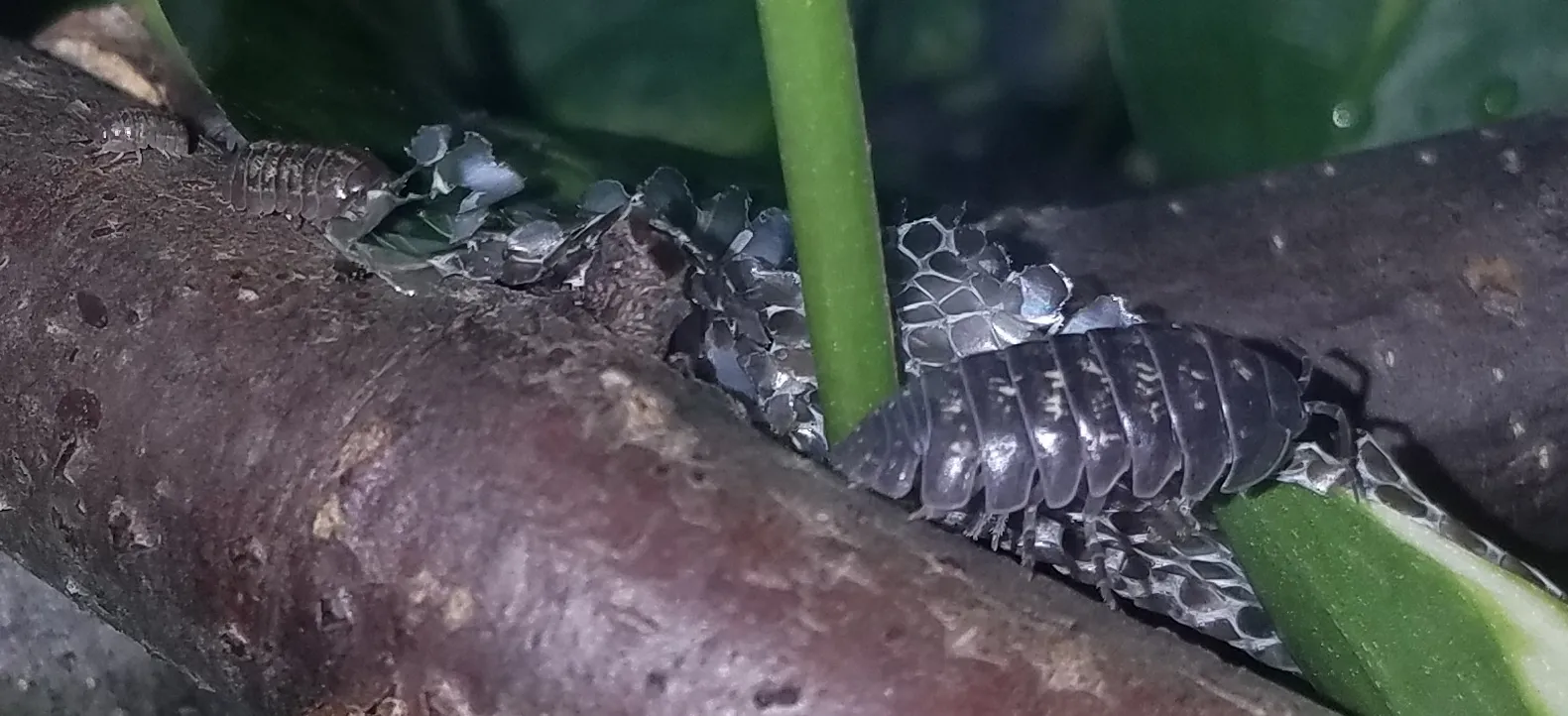 Photo: HCA, CC BY-SA 4.0
In this guide
Short answer: the most common reasons isopods die are drying out, too much water with poor ventilation, overheating, lack of calcium and no leaf litter. New cultures also often lose some isopods from transport stress. Check moisture first: a culture without a consistently damp area is the number one cause.
If your isopods are dying right now:
- Check moisture. Is there a damp area? Is anything waterlogged or smelly?
- Check temperature. Is the tub near a window, heater or on a heat mat?
- Check food. Is there leaf litter and calcium?
- Go through the causes below.
1. The culture is too dry
Isopods breathe through gill-like structures that need moisture. In a dry tub they dehydrate quickly.
Fix: keep a third to half of the substrate damp by pouring water into one corner every few days. Add sphagnum moss to hold moisture. Check the needs of your species in the best isopods for beginners.
2. Too wet and not enough air
The opposite problem: soaked substrate, standing water and stale air. It causes a sour smell, mold and dying isopods, especially Armadillidium species like zebra isopods.
Fix: add ventilation, stop watering until the soil is damp rather than wet, and keep a drier area.
3. Overheating
Temperatures above about 85 °F (29 °C) are risky for most common species. Direct sunlight or a heat mat without a cool area can kill a culture fast.
Fix: keep tubs at room temperature, out of sunlight, and always leave a cooler side if you use heat.
4. Lack of calcium
Isopods need calcium to molt. Without it, molts can fail.
Fix: keep cuttlebone, crushed eggshells or limestone in every culture.
5. No leaf litter or food
Leaf litter is their staple. A culture that runs out of it will decline, even if you feed vegetables.
Fix: keep a thick layer of leaf litter and some rotting wood at all times. Add protein once a week.
6. Transport stress in new cultures
Some losses in the first week or two after shipping are common, especially in hot or cold weather.
Fix: give them a well-set-up tub, don’t disturb them, and wait before judging the culture.
7. Chemicals and contamination
Pesticide-treated leaves, plants or soil, cleaning sprays near the tub, or outdoor-collected materials can kill isopods.
Fix: use pesticide-free leaf litter, organic soil without additives and never spray chemicals near cultures.
8. Old age
Many common isopods live 1–3 years. Occasional deaths in a breeding colony are normal.
When to worry and when not to
| Situation | Likely normal? |
|---|---|
| A few dead isopods in a large colony | Yes, probably old age |
| Many dying within days | No, check moisture and temperature now |
| Only new isopods dying | Often transport stress |
| Babies appear, then vanish | Culture too dry, or predators |
| Isopods climbing walls constantly | Conditions are off, usually too wet or poor air |
Frequently asked questions
Why are my isopods climbing the walls?
Often a sign the substrate is too wet, the air is stale or the tub is too warm. It can also be normal exploring at night.
Should I remove dead isopods?
It’s not required. Other isopods eat them. If many die at once, removing them helps you count losses and avoid mold.
What does a dying isopod look like?
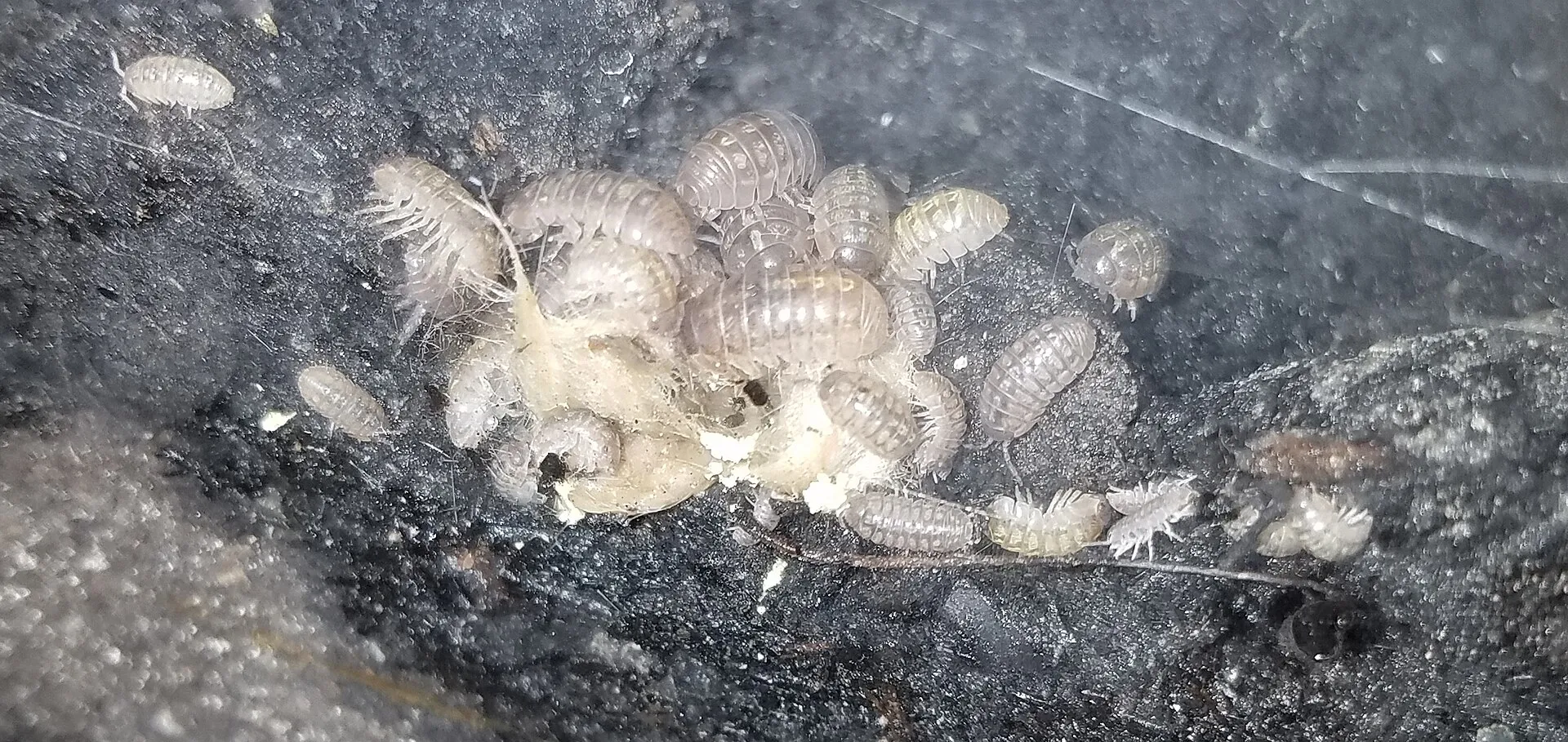
It may lie on its back, move slowly or stop responding. A pale, half-grey isopod is usually just molting.
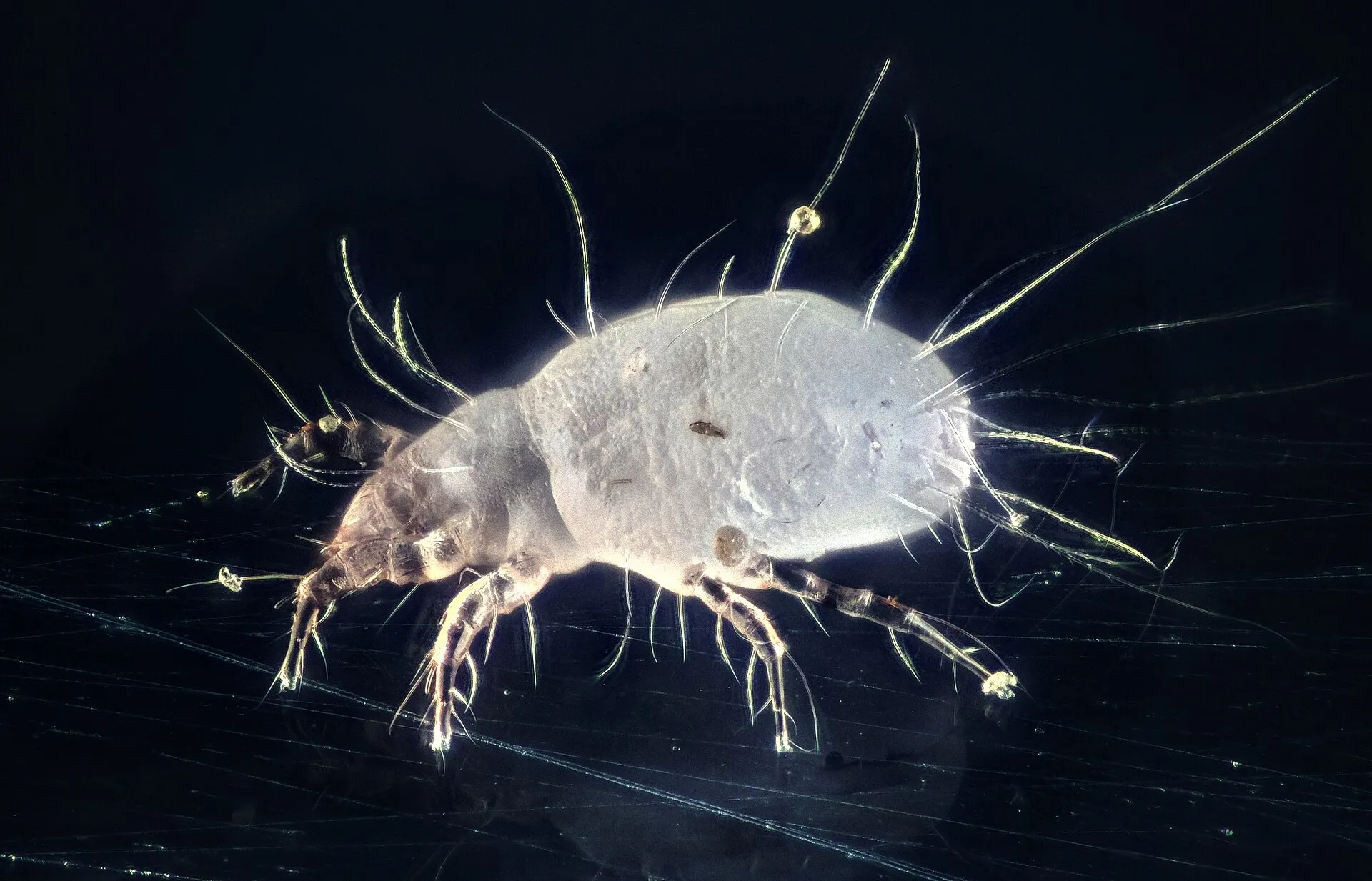
Can mites kill isopods?
Common grain mites usually don’t, but large numbers compete for food and stress the colony. See grain mites in isopod cultures.